Heritage & Ryokan · Kansai
Kyoto for travel agents
How to sell Kyoto well — nights needed, ryokan booking lead times, crowd-avoidance routing and the experiences worth contracting early.
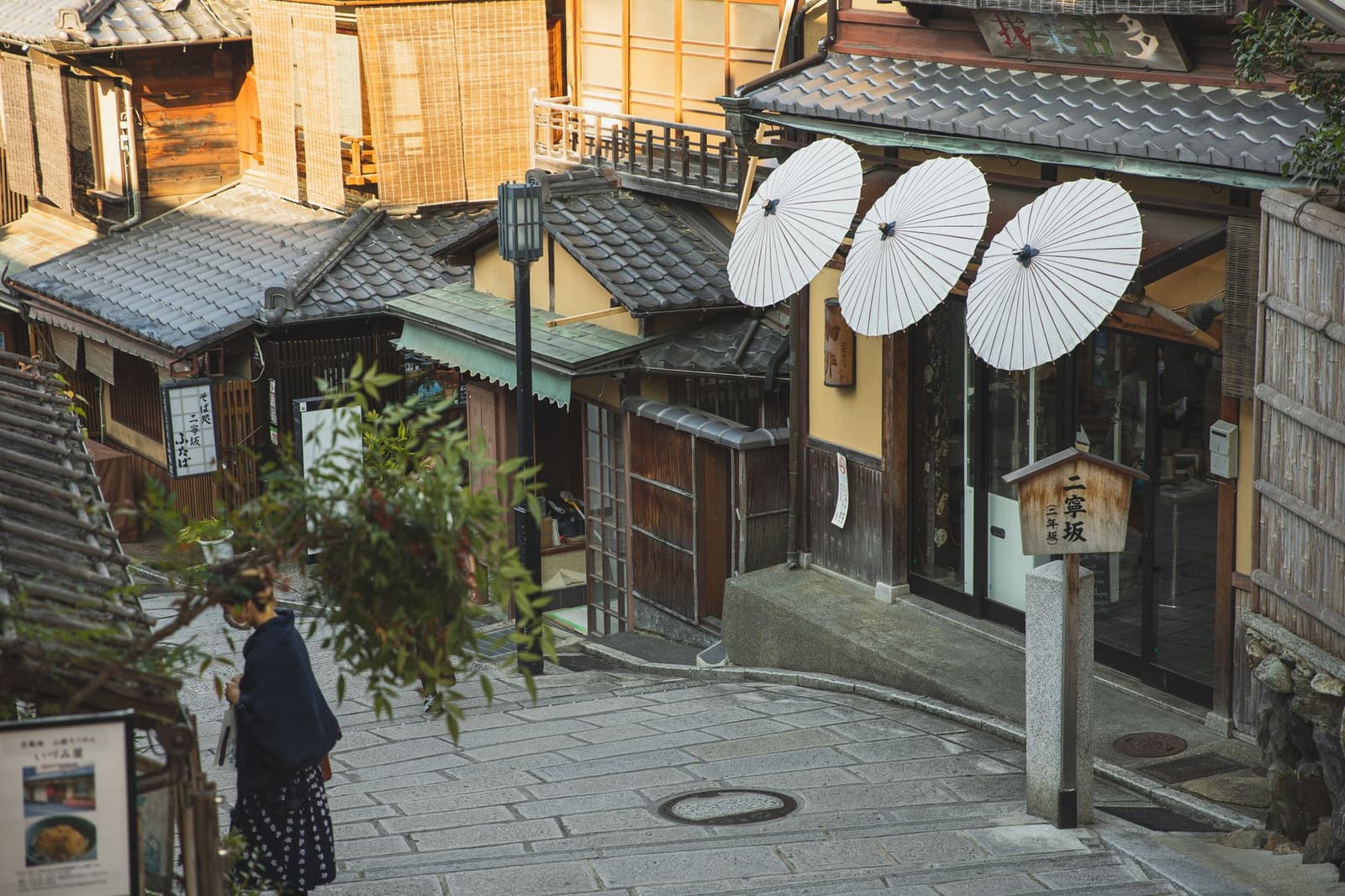
- The cultural core of every first-visit itinerary
- Ryokan stays and kaiseki dining as trip centerpieces
- Private cultural experiences: tea ceremony, maiko engagements, craft workshops
Late March–April and November are extreme peak — ryokan and guides sell out months ahead. May–June and September–October offer the same city with materially better availability.
Ryokan contracting (including properties that don't work with OTAs), licensed guides with temple-specific knowledge, private maiko and tea-ceremony engagements, kimono logistics, and coach permits for the narrow eastern-hills streets.
Kyoto is the emotional centre of most Japan itineraries and the place where crowd management now decides whether a client comes home delighted or deflated. The difference is almost entirely routing and timing.
The crowd equation
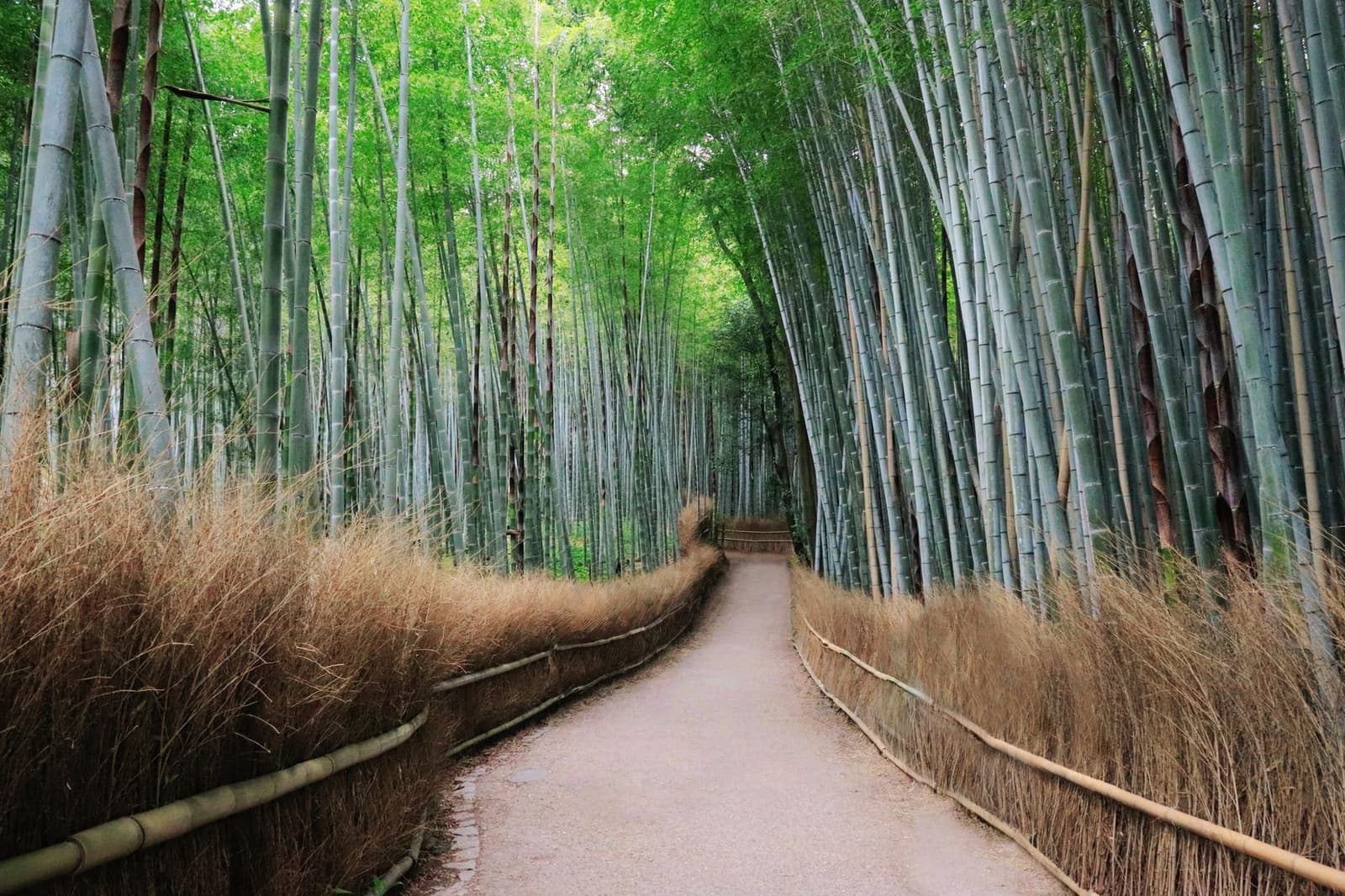
Fushimi Inari at 7 a.m. is a different experience from Fushimi Inari at 11 a.m. We build early-start days around the three or four headline sites and route the afternoon into the quieter northern and western temples — clients see more, photograph better, and queue less.
Ryokan as the product
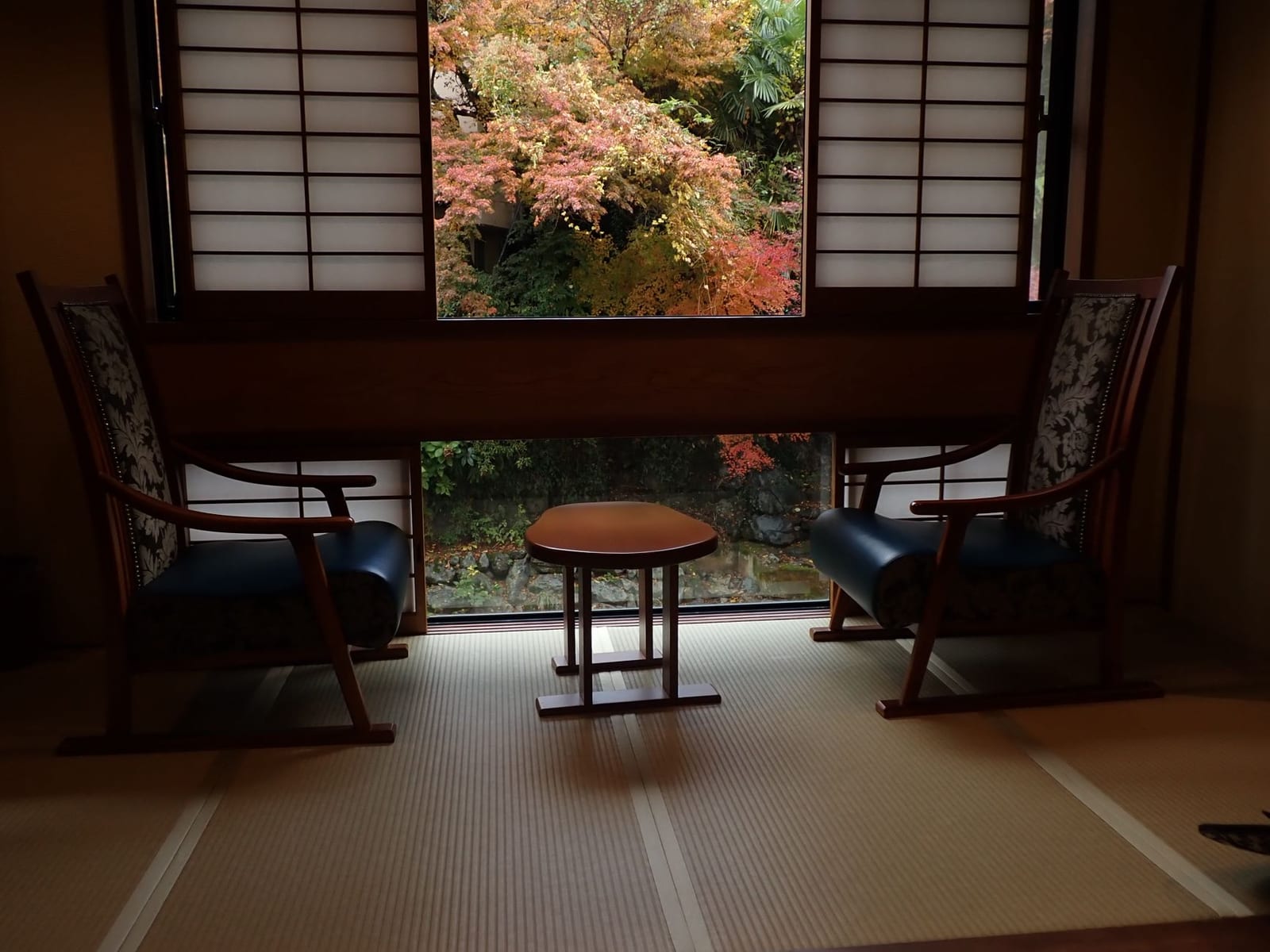
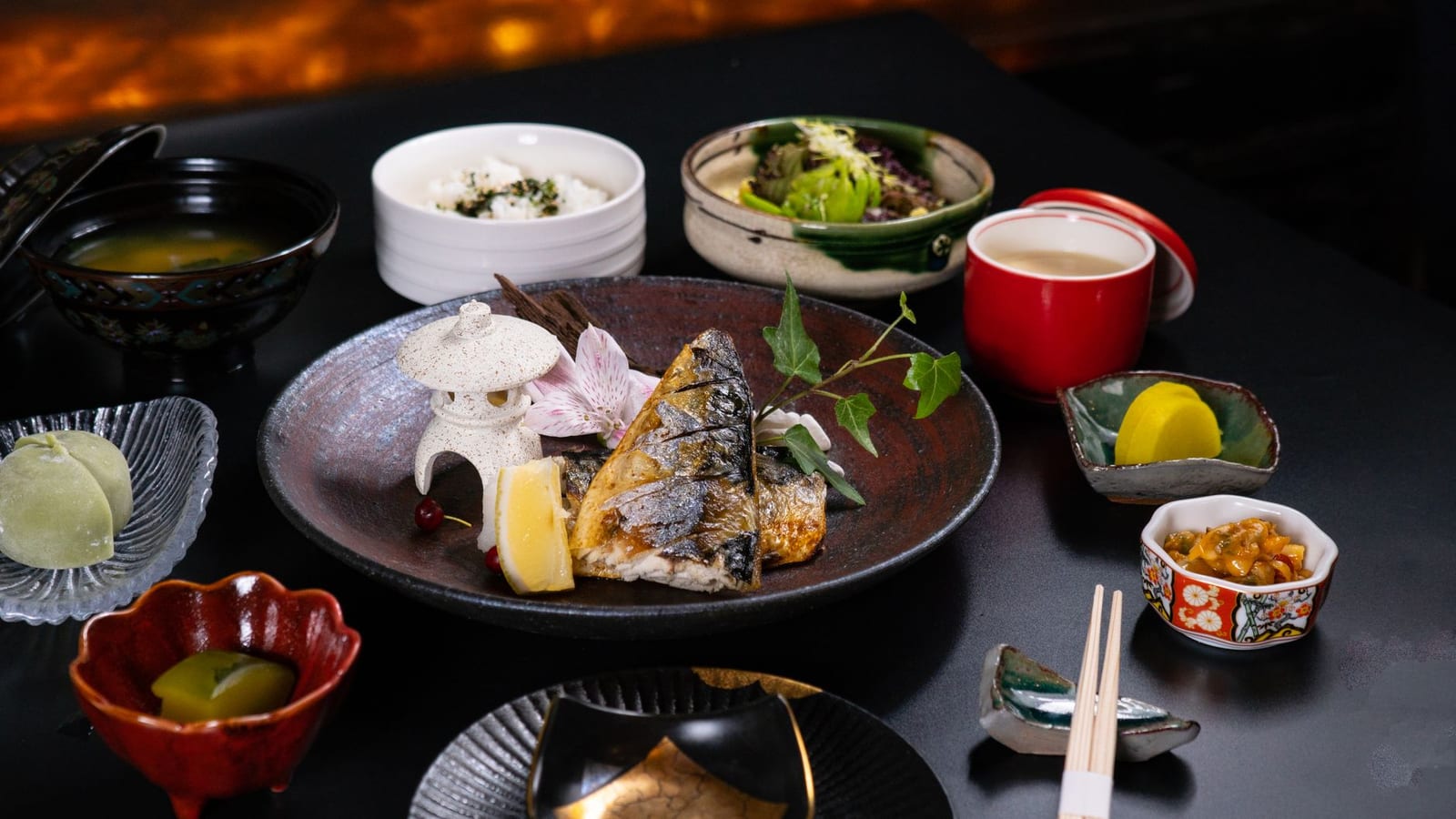
For luxury FIT, the ryokan night is the product — kaiseki dinner, onsen, tatami. We contract houses across the price ladder, including small properties that never appear on booking platforms, and we brief clients on the etiquette points that make the stay land well.
Kyoto in pictures
Kyoto: agent FAQs
How far ahead must ryokan be booked for peak season?
Six to nine months for the well-known houses in cherry blossom and autumn foliage windows. The best properties release B2B allocations before public inventory — this is where working through a DMC materially changes what your client can access.
How many nights does Kyoto need?
Two nights minimum, three if a ryokan stay is the trip centerpiece. Day-tripping Kyoto from Osaka works only for repeat visitors with a narrow target list.
Pairs well with
Himeji
Routing Himeji - Japan's finest original castle as the perfect shinkansen day-stop between Kansai and Hiroshima, with Koko-en and Mount Shosha.
Beef, Harbor & Onsen HillsKobe
Routing Kobe - the beef experience done right, Arima onsen as Kansai's hot-spring add-on, Nada sake district, and the harbor evening.
Half-Day HeritageNara
Why Nara works as a half-day from Kyoto or Osaka — routing, coach access, deer-park briefing points, and when it earns an overnight instead.
Service lines covering Kyoto
Quoted net within 24 hours and delivered under your brand. Single services, FIT and small groups can be taken on 24 to 48 hours notice; larger group movements need 45 days.
- Luxury FIT - private journeys and ryokan programmes
- Groups & Series - coach logistics and FOC allocation
- MICE & incentives - venues, gala production and delegate movement
- Ground handling - transfers, rail and 24/7 support
- All services →
How your market sells Kyoto
Seasonality, pacing, dietary handling and flight access differ by where your clients fly from. Each market page sets out how we quote and operate for agencies in that country.