Kakunodate & Nyuto Onsen · Tohoku
Akita for travel agents
Routing Akita - Kakunodate's samurai street, Lake Tazawa, and Nyuto Onsen's thatched bath hamlets: Tohoku's deepest rural immersion.
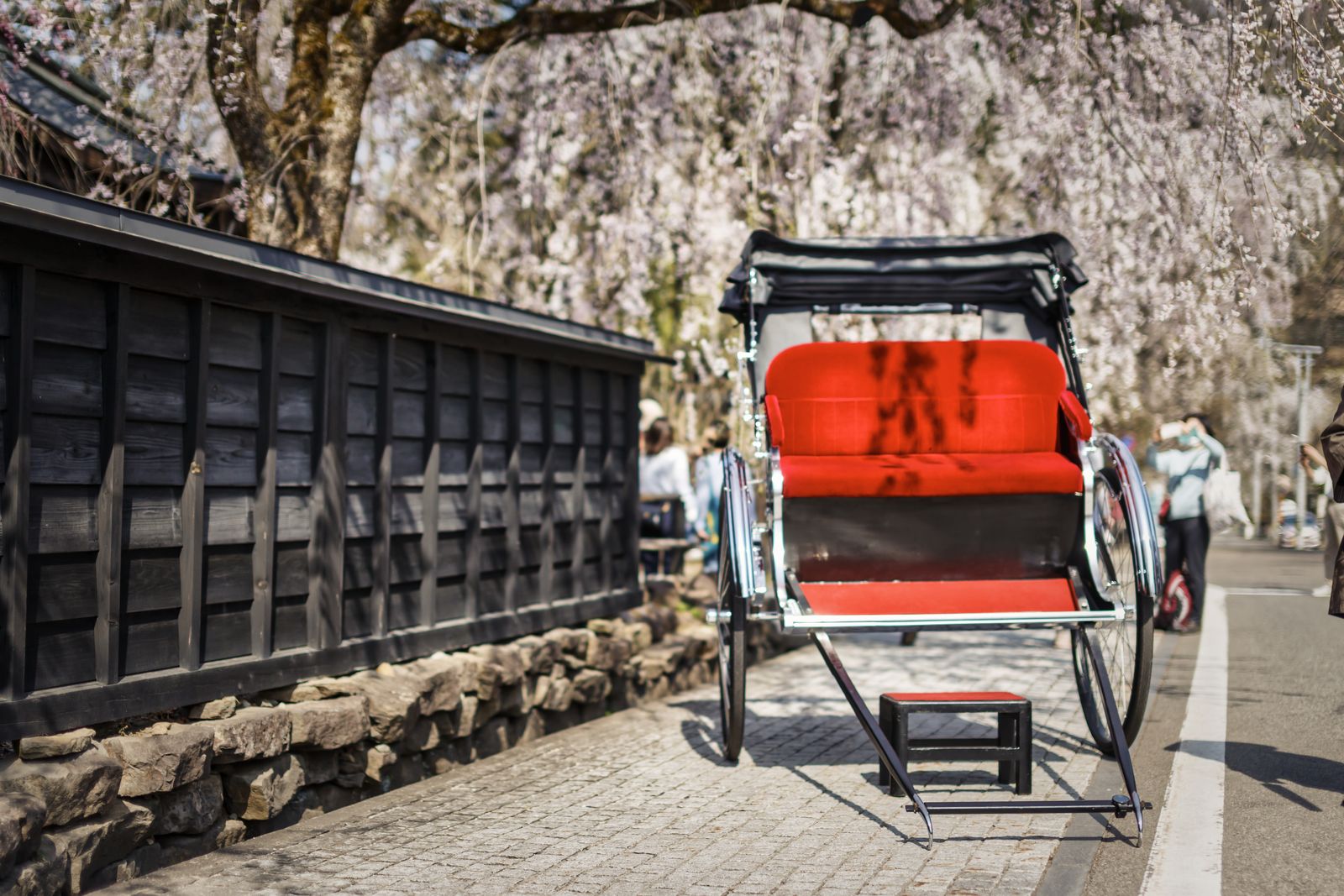
- Kakunodate - the samurai street that autumn and cherry seasons transform
- Nyuto Onsen - thatched-roof bath hamlets hidden in beech forest
- Lake Tazawa - Japan's deepest lake, gold Tatsuko statue on its shore
Kakunodate's weeping cherries (late April) and autumn maples headline; winter buries Nyuto's hamlets in the snow that makes their baths legendary. The Kanto festival lights early August in Akita city with balancing lantern poles.
Akita Shinkansen to Kakunodate and Tazawako (about 3 hours from Tokyo), samurai-house guiding including Aoyagi and Ishiguro residences, Nyuto Onsen ryokan contracting across the seven hamlets with Tsurunoyu's long lead times flagged, Lake Tazawa loop drives, and Kanto-festival week allocations in Akita city.
Akita is Tohoku with the volume low and the depth high: a samurai street that blushes pink each spring, Japan’s deepest lake, and bath hamlets so hidden the beech forest seems to close behind visitors. This is the Japan that repeat travellers write home about.
The countryside chapter
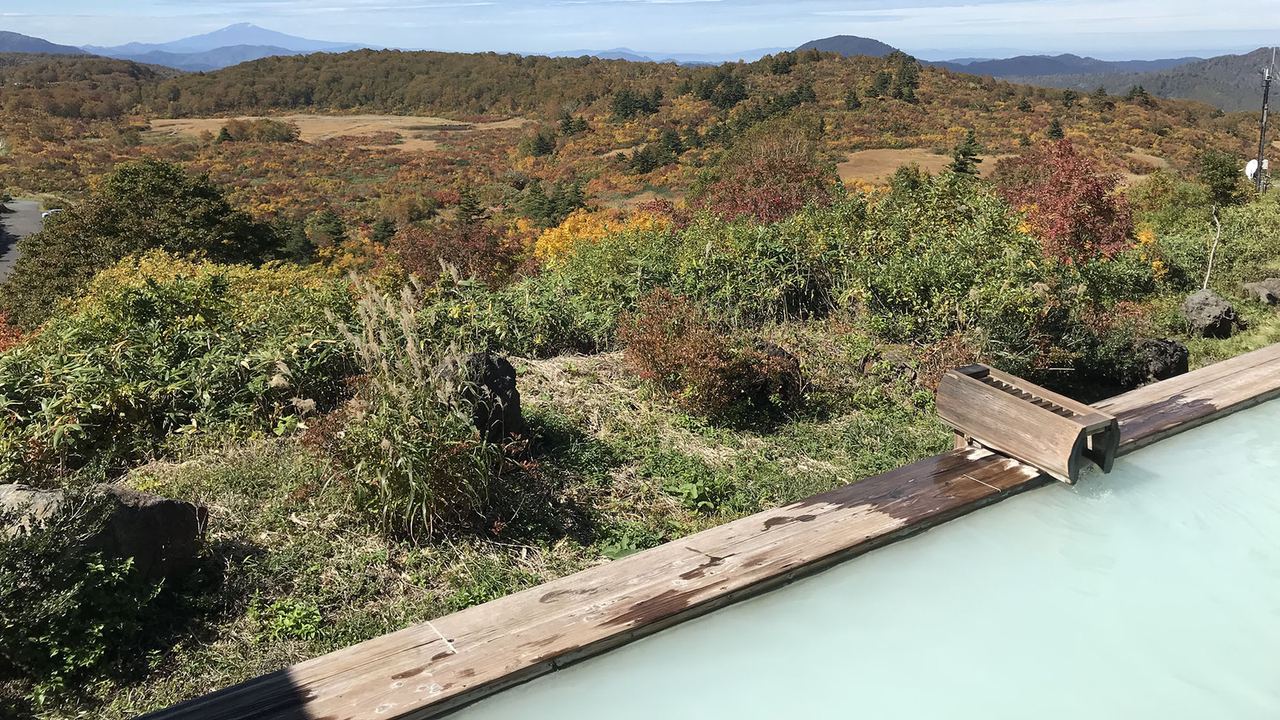
Kakunodate first: the wide samurai avenue, Aoyagi’s armoury rooms, weeping cherries or maple fire by season. Lake Tazawa’s loop road passes the gold Tatsuko statue on sapphire water. Then up into the forest: Nyuto’s lamplit hamlets, milky rotenburo under snow or stars, dinner of mountain vegetables around the hearth.
Selling it right
This chapter rewards two nights and honest briefing: rustic inns, shared baths at the historic houses, nature setting the schedule. In exchange clients get the rarest commodity on the modern route - a Japan that has not rearranged itself for them.
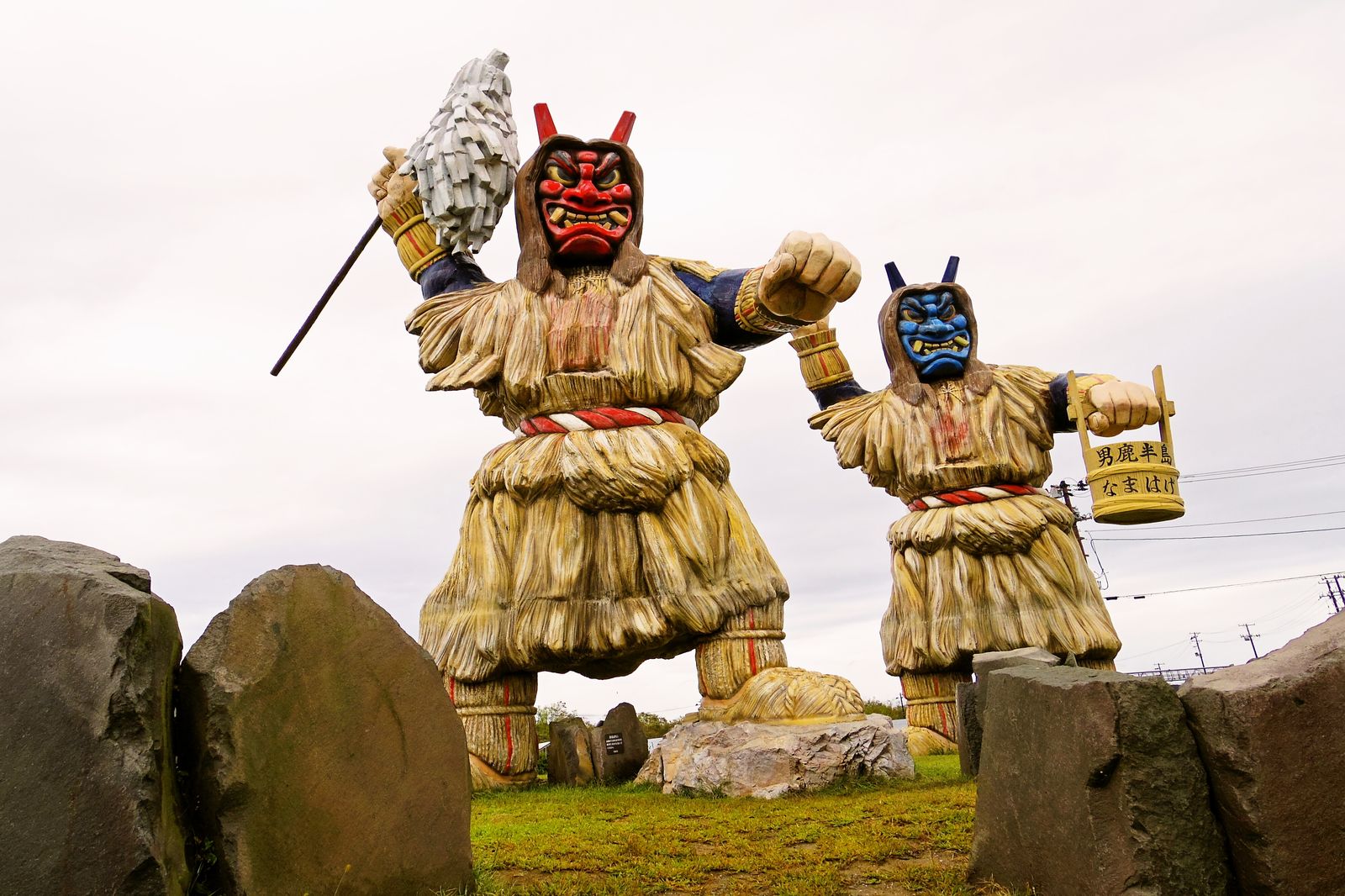
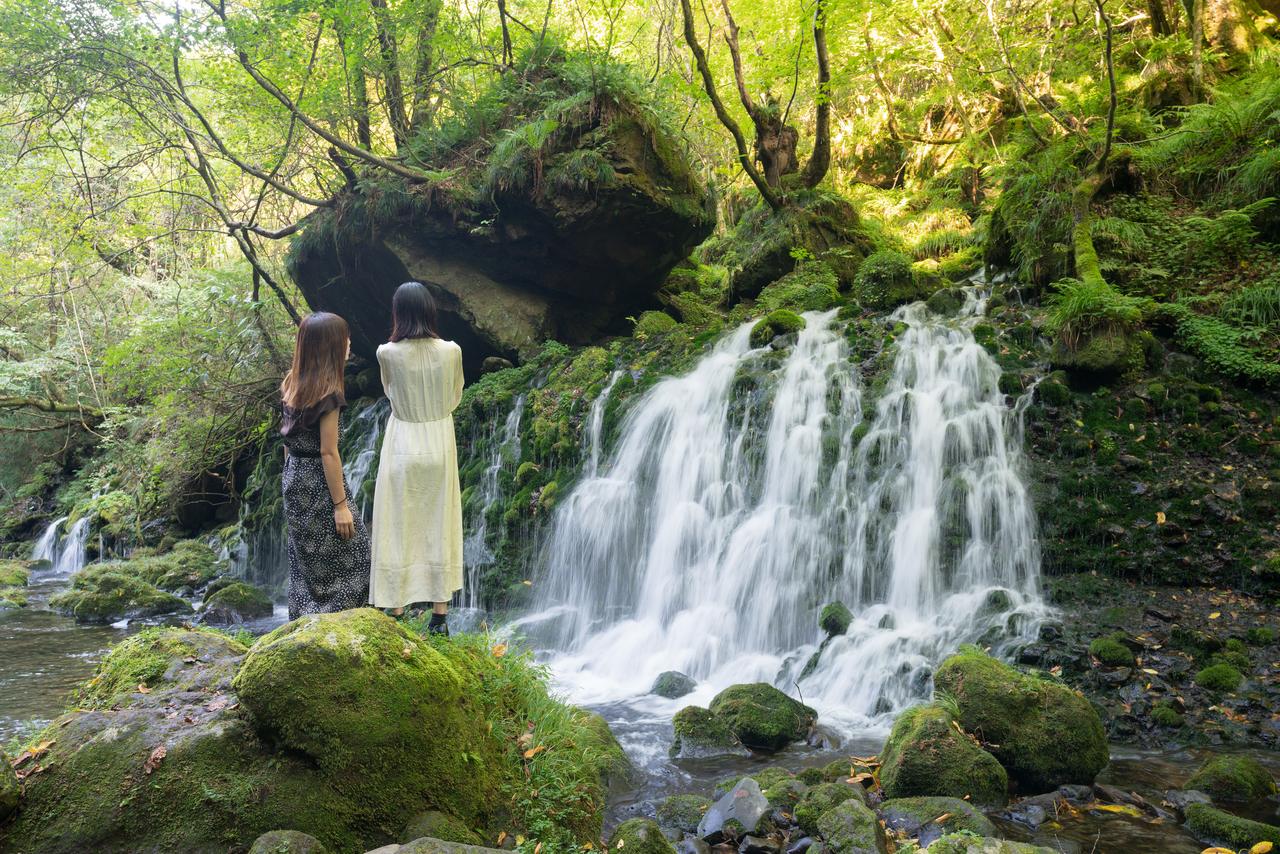
Akita in pictures

Akita: agent FAQs
What is Nyuto Onsen actually like?
Seven rustic bath hamlets scattered in beech forest - thatched roofs, milky and clear springs, lamplight and snow in season. Tsurunoyu, the oldest and most photographed, books out furthest; the neighbouring hamlets share the magic with easier availability. Comfort-focused clients get briefed: this is heritage rusticity, deliberately.
Does Kakunodate justify the journey?
For atmosphere-seekers, yes: a whole street of samurai residences under weeping cherries, dark wood against pink in spring, fire-coloured in autumn. Paired with Tazawa and a Nyuto night it becomes Tohoku's definitive two-day countryside chapter.
How does Akita chain with the rest of Tohoku?
The mini-shinkansen threads it to Morioka's main line, so Sendai, Hiraizumi and Aomori all connect without backtracking - a northern loop that gives second-visit itineraries their spine.
Pairs well with
Aomori
Routing Aomori - the Nebuta festival's glowing giants, Hirosaki's castle cherries, apple country, and the Oirase stream to Lake Towada.
Tohoku Gateway & Date LegacySendai
Routing Sendai - the Tohoku gateway: Matsushima Bay, Date Masamune's legacy, gyutan food culture and the region the crowds haven't found.
Yamadera & Ginzan OnsenYamagata
Routing Yamagata - Yamadera's thousand-step cliff temple, Ginzan Onsen's gaslit lane, Zao's snow monsters and the fruit kingdom between.
Service lines covering Akita
Quoted net within 24 hours and delivered under your brand. Single services, FIT and small groups can be taken on 24 to 48 hours notice; larger group movements need 45 days.
- Luxury FIT - private journeys and ryokan programmes
- Groups & Series - coach logistics and FOC allocation
- MICE & incentives - venues, gala production and delegate movement
- Ground handling - transfers, rail and 24/7 support
- All services →
How your market sells Akita
Seasonality, pacing, dietary handling and flight access differ by where your clients fly from. Each market page sets out how we quote and operate for agencies in that country.